↓
 

Tampa Land Surveying

Local Land Surveyors in Tampa, FL

Header image showing Tampa skyline for Tampa Land Surveying website
Tampa Land Surveying
(813) 336-7736
Tampa Land Surveying
  • Home
  • Home
  • ALTA Survey
  • Boundary Surveying
  • Construction Survey
  • Drone LiDAR Mapping
  • Elevation Certificate
  • Land Surveying
  • Topographic Survey
  • About Us
  • Blog
  • Contact Us
Home 1 2 3 … 6 7 >>

Post navigation

← Older posts

Welcome to Tampa Land Surveying

Tampa Land Surveying Posted on August 18, 2017 by TampaSurveyorMarch 20, 2026

Your Final Stop for ALL of Your Survey Needs!                                         Contact us today for a free quote!

This site is intended to provide you with information on Land Surveying in the Tampa, FL and Hillsborough County area of Florida. If you’re looking for a Tampa Land Surveyor, you’ve come to the right place. If you’d rather talk to someone about your land surveying needs, please call our local number at (813) 336-7736 today. For more information, please continue to read.

land surveyingLand Surveyors are professionals who flke precise measurements to determine the size and boundaries of a piece of real estate.  While this is a simplistic definition, boundary surveying is one of the most common types of surveying related to home and land owners. If you fall into the following categories, please click on the appropriate link for more information on that subject:
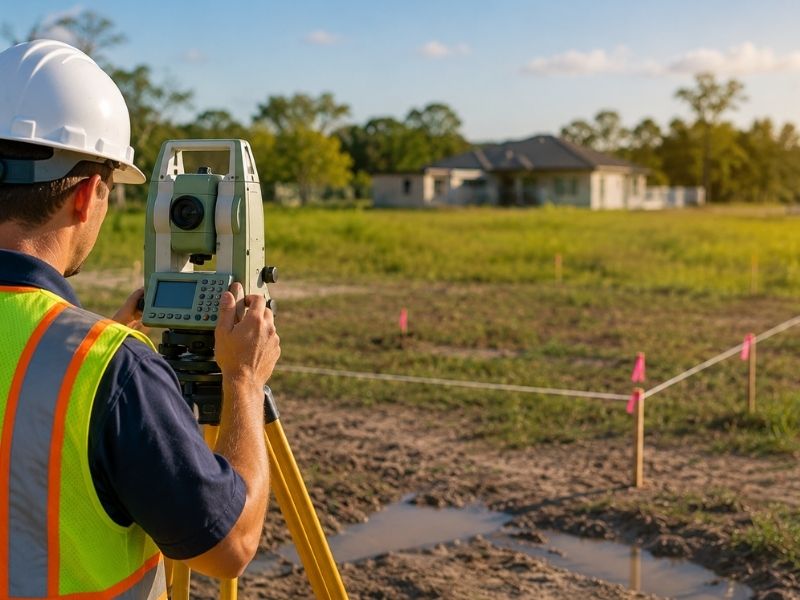
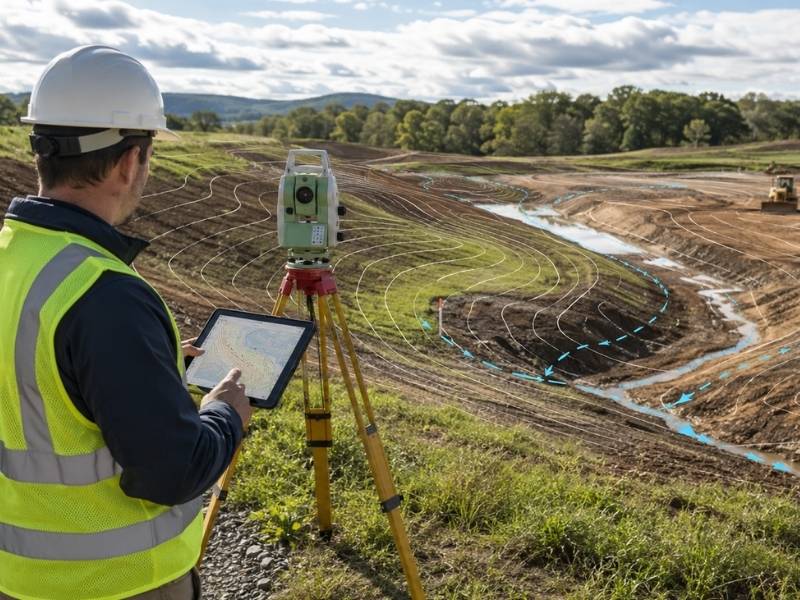
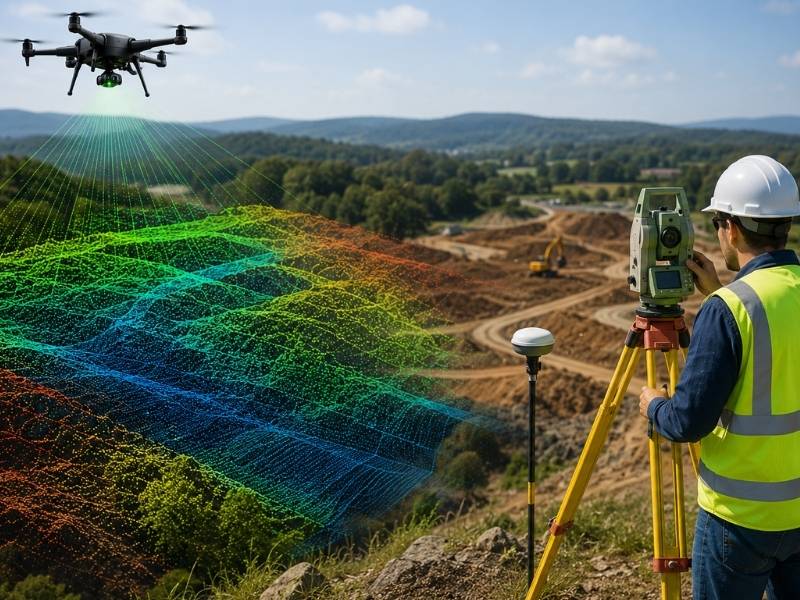
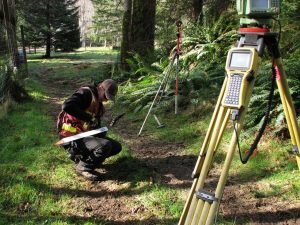
Tampa Land Surveying services:

    1. I need to know where my property corners or property lines are. (Boundary Survey)
    2. I have a loan closing or re-finance coming up on my home in a subdivision. (Lot Survey)
    3. I need a flp of my property with contour lines to show elevation differences for my architect or engineer. (Topo Survey)
    4. I’ve just been told I’m in a flood zone or I’ve been told I need an elevation certificate in order to obtain flood insurance or prove I don’t need it. (Flood Survey)
    5. I’m purchasing a lot/house in a recorded subdivision. (Lot Survey – See Boundary Survey if you’re not in a subdivision.)
    6. I’m purchasing a larger tract of land, acreage, that hasn’t been subdivided in the past. (Boundary Survey)

Contact Tampa Land Surveying services TODAY at (813) 336-7736.

Posted in boundary surveying, elevation certificate, land surveying, land surveyor | Tagged boundary survey, land surveyor, land surveyor tampa fl, Tampa Land Surveying

How to Read a Plat of Survey

Tampa Land Surveying Posted on May 11, 2026 by TampaSurveyorMay 8, 2026
Homeowner and land surveyor reviewing a plat of survey near a residential property before construction

A property can look simple at first glance. The lot seems wide enough. The driveway looks clear. There appears to be plenty of room for a pool, garage, or home addition.

Then construction plans begin. Suddenly, problems show up.

The setback cuts into the build area. A utility easement blocks part of the yard. The fence line does not match the real property boundary.

That is why a plat of survey matters before you build.

Many property owners receive a survey during a purchase but never really look at it. Others glance at the drawing and feel confused by the lines, numbers, and symbols. However, learning the basics can help you avoid expensive mistakes later.

A plat of survey shows the true layout of your property. It helps you understand where you can build, what limits exist, and what issues could affect future construction.

What Does a Plat of Survey Show?

A plat of survey shows the legal layout of a property, including boundaries, lot dimensions, easements, structures, setbacks, and utility areas. Property owners often use it before building pools, additions, fences, or driveways to avoid permit issues, boundary disputes, and construction mistakes.

A plat of survey is a detailed drawing of a property. It shows the size and shape of the lot along with important site features.

The survey usually includes:

  • property lines
  • lot dimensions
  • buildings
  • driveways
  • fences
  • easements
  • setback lines
  • utility areas

In Tampa, property owners often need a survey before:

  • building a pool
  • adding a room
  • widening a driveway
  • installing a fence
  • building a detached structure

Without a clear survey, contractors and homeowners may guess where things belong. That creates risk right away.

How Property Lines Affect Construction Projects

Property lines determine where construction can legally happen on a lot. A plat of survey helps property owners avoid building beyond legal boundaries, which can lead to disputes, permit problems, fines, or expensive removal of structures like fences, patios, and driveway extensions.

The first thing to review on a plat of survey is the property boundary.

Many people assume the existing fence marks the correct line. That is not always true. In fact, some fences sit several feet away from the real boundary. Others cross onto nearby property without the owner realizing it.

The survey shows the legal property shape using measurements and corner markers. These lines define the actual limits of the lot.

Before building anything, make sure you understand:

  • where the side boundaries sit
  • where the rear property line ends
  • how wide the lot really is
  • whether the lot shape changes near the back

This matters because even a small mistake can create large problems later. A patio, shed, or driveway extension built outside the property line may need removal.

Understanding Setback Lines Before You Build

Close-up of a plat of survey showing setback lines, easements, and property boundaries for residential construction planning

Setback lines create required space between structures and property boundaries. In Tampa, setback rules affect pools, garages, additions, and detached buildings. A plat of survey helps homeowners understand buildable space before construction begins and reduces the risk of redesigns or permit delays.

Next, look for setback lines on the survey.

Setbacks are required spaces between structures and property lines. Tampa building rules use setbacks to keep homes safely spaced apart.

For example, your property may require:

  • front setbacks
  • side setbacks
  • rear setbacks

These limits reduce the buildable area of the lot.

This surprises many homeowners. The yard may look large enough for a project, yet the setback rules shrink the usable space.

Pools often run into setback issues. So do home additions and detached garages.

Before spending money on design plans, check how much room remains inside the setback lines. Otherwise, you may need to redesign the project later.

What Easements Mean on a Plat of Survey

Easements give utility companies or other parties limited rights to part of a property. A plat of survey shows drainage, utility, and access easements that may limit where structures can be built on residential or commercial lots.

Easements cause confusion for many property owners.

An easement gives another party limited rights to part of the property. Utility companies often use easements to access underground lines or drainage systems.

The survey may show:

  • drainage easements
  • utility easements
  • access easements

These areas can limit where you build.

For example, you may not place a permanent structure over a drainage easement. In some cases, utility crews may need access to that area later.

Many utility easements remain active even if no visible equipment appears on the property. Because of that, property owners should never assume the area is free to build on.

Tampa properties often contain drainage features because heavy rain and stormwater management remain major concerns throughout the area.

That is why easements deserve careful attention before construction starts.

Check Existing Structures and Improvements

The survey also shows structures already located on the property.

This usually includes:

  • the house
  • driveway
  • fences
  • sidewalks
  • retaining walls
  • patios

These details help you understand how much open space remains for future improvements.

For example, a homeowner may want to expand the driveway. However, the survey could reveal that the current layout already sits close to the property line or easement area.

Likewise, an addition may appear possible until the survey shows limited remaining build space behind the home.

The drawing helps turn rough ideas into realistic planning.

Why Elevation Notes Matter 

Elevation notes help identify drainage concerns, flood-prone areas, and grading challenges on a property. In Tampa, elevation information on a plat of survey can affect stormwater flow, construction planning, insurance requirements, and future site improvements.

Some surveys include elevation information.

This matters in Tampa because parts of the area deal with drainage concerns and flood risk. Even small elevation changes can affect water movement around a property.

Low areas may collect water during heavy rain. Certain lots may also require extra grading work before construction.

Flood-prone areas near Tampa Bay may also require additional elevation review before construction projects receive approval.

You do not need to become an engineer to understand the basics. Still, pay attention if the survey notes:

  • flood zones
  • drainage paths
  • low elevations
  • retention areas

These conditions can affect future permits, insurance costs, and site design.

Common Plat of Survey Mistakes Homeowners Make

Many homeowners misunderstand surveys by relying on fence lines, outdated maps, or old surveys. A current plat of survey helps prevent construction mistakes, easement conflicts, and boundary problems before building projects begin.

Many construction problems begin with simple survey misunderstandings.

One common mistake involves measuring from the wrong line. Some people measure from fences or sidewalks instead of legal boundaries.

Others ignore easement labels because they seem unimportant at first.

Some homeowners also rely on online property maps. Those maps help with general viewing, but they do not replace a professional survey.

Another issue happens when owners use an old survey for a new project. Property conditions can change over time. New fences, additions, or utility work may affect the site layout.

That is why updated information matters before major construction begins.

When Should You Order a New Plat of Survey?

Property owners should order a new plat of survey before major construction, permit applications, land purchases, driveway expansions, fence installations, or resolving boundary disputes. Updated surveys provide accurate site information that helps avoid delays and costly changes later.

A recent plat of survey can help before:

  • building a pool
  • adding a garage
  • expanding a driveway
  • installing a fence
  • buying vacant land
  • resolving a neighbor dispute
  • applying for permits

Even if you already have an older survey, a new one may provide more accurate information for current conditions.

That extra clarity can prevent delays and costly changes later.

Posted in land surveying | Tagged Land Surveying

What Affects Boundary Survey Cost? 7 Key Factors 

Tampa Land Surveying Posted on May 8, 2026 by TampaSurveyorMay 8, 2026
Land surveyor measuring residential property lines for a boundary survey cost estimate

Many homeowners expect a boundary survey to come with one simple price. Then they contact a few survey companies and receive very different quotes.

That surprises a lot of people.

The truth is, boundary survey cost depends on the property itself. Some lots take only a few hours to survey. Others need days of field work, legal research, and record review. Because of that, prices can vary quite a bit from one property to another.

This matters even more in Tampa. Older neighborhoods, waterfront lots, fence disputes, and changing property lines can all affect how much work a surveyor must do. Tampa also continues to see strong residential growth, which increases demand for surveys before construction and permitting.

So before comparing prices alone, it helps to understand what actually affects the cost.

Why Boundary Survey Prices Are Different

Boundary survey cost changes from one property to another because surveyors must research records, locate property corners, inspect site conditions, and verify legal boundaries. Older neighborhoods, missing markers, easements, and fence disputes can all increase the amount of field work and research required.

A boundary survey does much more than measure land.

Surveyors study legal records, review old plats, locate property corners, and compare documents with real conditions on the site. They also look for problems that may affect ownership, construction, or future improvements.

Some properties have clean records and visible markers. Others have missing corners, outdated maps, or conflicting legal descriptions.

That extra work affects the final cost.

Now let’s look at the biggest factors that affect boundary survey pricing.

1. Property Size and Shape

Larger or irregularly shaped properties usually cost more to survey because they require more measurements, calculations, and field work. Complex lot layouts in older neighborhoods can increase the time needed to confirm accurate property boundaries.

Larger properties usually require more field work.

A surveyor must measure more land, locate more corners, and collect additional data. Naturally, that takes more time and equipment.

However, size is not the only issue.

Property shape matters too. A square lot is usually easier to survey than a narrow or irregular property with many turns and angles.

In some older neighborhoods, lot layouts do not follow modern subdivision patterns. As a result, surveyors may need additional calculations and field checks to confirm the true boundary lines.

That can increase survey costs.

2. Older Property Records

Property records and boundary survey documents used to calculate boundary survey cost

Older property records can increase boundary survey cost because surveyors must spend extra time reviewing plats, deeds, and historical maps. In some neighborhoods, outdated or conflicting records require deeper research before accurate measurements can begin.

Older records can slow the survey process.

Some properties date back many decades. Over time, records may become incomplete, unclear, or outdated. In some cases, older plats do not match modern measurements or current property conditions.

Because of that, surveyors may need extra research before field work begins.

Surveyors may review:

  • old subdivision maps
  • deed records
  • previous surveys
  • county records
  • legal descriptions

This research helps confirm the true property boundary.

Without proper research, mistakes can happen later. While deeper research increases the survey cost, it also helps protect homeowners from expensive problems in the future.

3. Fence and Neighbor Problems

Fence disputes and neighbor encroachments often increase survey costs because surveyors must compare physical structures with legal property records. Incorrect fence placement, sheds, or driveways crossing lot lines can create additional field work and documentation requirements.

Fence issues are one of the most common reasons homeowners order a boundary survey.

Many people assume the existing fence marks the true property line. Unfortunately, that is not always correct.

Sometimes fences sit several feet inside or outside the legal boundary. In other cases, sheds, driveways, landscaping, or patios cross into a neighboring lot.

When that happens, the survey becomes more complex.

The surveyor must compare physical evidence on the site with legal records and measured data. That process takes additional time, especially when neighbors disagree about the boundary location.

In Tampa neighborhoods where homes sit close together, these situations happen often.

4. Easements and Access Issues

Easements and shared access routes affect boundary survey cost because surveyors must review recorded documents and confirm how the land can legally be used. Utility easements and shared driveways often require additional measurements and research.

Easements can also affect survey pricing.

An easement gives another party legal rights to use part of the property. Utility companies, drainage systems, and shared driveways often create easements.

Surveyors must carefully locate and review these recorded documents.

For example, a homeowner may plan to install a pool or fence without realizing a utility easement crosses the yard. Building over an easement can lead to expensive removal or reconstruction later.

Shared driveways and access paths may also require additional measurements and legal review.

That extra work affects the total cost.

5. Site Conditions and Visibility

Dense vegetation, standing water, and poor visibility can increase boundary survey cost because surveyors need more time to locate property corners and collect accurate measurements. Waterfront and overgrown properties often require additional field work.

Not every property is easy to access.

Heavy vegetation, standing water, trees, or overgrown brush can slow down field work. Surveyors need clear visibility to locate property corners and collect accurate measurements.

In some areas, thick landscaping or wet ground creates additional challenges.

Waterfront lots may also require extra care and additional measurements. Likewise, hidden property markers can take longer to locate when grass, dirt, or construction covers them.

Good site access helps survey work move faster. Poor conditions usually increase labor time and pricing.

6. Rush Scheduling

Rush boundary surveys may cost more because survey companies must adjust schedules and prioritize urgent projects. Home closings, permit deadlines, and construction schedules often require faster turnaround times that increase labor demands.

Timing matters too.

Sometimes homeowners need a boundary survey quickly because of:

  • a home closing
  • a permit deadline
  • fence construction
  • a contractor schedule
  • a property dispute

Rush projects often force survey companies to rearrange schedules or move other projects.

Because of that, faster turnaround times may increase the cost.

This is especially common during busy construction seasons when many projects happen at the same time. Planning ahead can help homeowners avoid rush pricing and scheduling stress.

7. The Type of Deliverables Needed

Boundary survey pricing also depends on the final documents and services requested. Some homeowners only need property corners marked, while others require sealed drawings, digital files, or permit-ready survey documents for construction and legal use.

Not every homeowner needs the same final product.

Some people only need property corners marked in the field. Others need sealed survey drawings for permits, lenders, or legal use.

Additional deliverables may include:

  • signed survey maps
  • digital CAD files
  • elevation information
  • construction layout details
  • permit-ready drawings

More detailed deliverables require additional office work and review.

So while two surveys may appear similar from the outside, the actual scope of work may be very different.

That changes the total cost.

Why the Cheapest Survey Is Not Always the Best Option

It may feel tempting to choose the lowest quote.

However, an inaccurate survey can create expensive problems later.

Incorrect boundary information may lead to:

  • fence removal
  • neighbor disputes
  • permit delays
  • construction changes
  • legal problems

Mortgage lenders, title companies, and permitting offices may also require accurate survey information before approving certain projects.

A professional boundary survey helps homeowners avoid those risks before construction begins.

That is why experience, accuracy, and proper research matter just as much as price.

When Homeowners Usually Need a Boundary Survey

Many property owners wait until a problem appears before ordering a survey.

However, getting one early can save time, money, and stress later.

Homeowners often need a boundary survey before:

  • building a fence
  • adding a pool
  • starting an addition
  • buying vacant land
  • settling a neighbor dispute
  • dividing property
  • applying for permits

In each case, clear property lines help prevent costly surprises.

Posted in boundary surveying | Tagged boundary survey

How ALTA Survey Is Changing Real Estate in 2026 

Tampa Land Surveying Posted on April 28, 2026 by TampaSurveyorApril 28, 2026
ALTA survey documents and property plans on a desk during real estate due diligence review

Deals do not move like they used to. A property can sit under contract, all terms agreed, and then pause right before closing. The reason often traces back to one document. The ALTA survey.

In 2026, new ALTA survey standards started to shape how people review risk in real estate deals. The change does not feel loud at first. But it shows up late in the process. That is where most delays begin.

A survey that once worked as a closing requirement now plays a bigger role in decision-making. Buyers, lenders, and title teams now use it earlier and with more care. Because of this, due diligence in Tampa real estate looks different today.

A quieter shift that is changing how deals move

The 2026 standards did not remove the purpose of an ALTA survey. Instead, they raised the level of detail expected during review.

Survey teams now face more questions around site access, easement clarity, and record accuracy. These points do not sound dramatic on their own. Still, they can slow a deal when something does not match between documents and real site conditions.

So instead of a quick check before closing, the survey now becomes part of the risk review process. That shift changes timing across the whole transaction.

Why Tampa feels the impact more than other places

Tampa moves fast in real estate. New projects come in quickly. Old parcels get reused for new builds. Commercial zones shift from one use to another in short periods.

Because of this, records do not always match what is on the ground today. That gap creates friction when a detailed ALTA survey is reviewed.

At the same time, lenders in Tampa deal with higher pressure to reduce risk. They want clearer answers before approving funding. So when a survey raises even small questions, review steps increase.

This combination makes Tampa more sensitive to the new standards than slower markets.

Due diligence is no longer a final step

Before 2026, many teams treated due diligence as a checklist near the end of a deal. The ALTA survey came in, got reviewed, and the file moved forward.

Now the process feels more layered.

The survey gets reviewed earlier. Title teams look at it alongside legal documents. Lenders ask more follow-up questions before they commit.

This means due diligence is no longer a single stage. It spreads across the entire deal timeline.

Because of that change, small issues now show up earlier. That can help buyers avoid risk, but it can also slow down closing dates.

Where delays usually start in Tampa deals

Site plan with boundary markings and notes during real estate due diligence review

Most delays do not come from major problems. They come from small mismatches that require extra review.

One common issue is access. A property may show legal access on paper, but field conditions or updated records may raise questions. When that happens, teams pause to confirm details.

Another issue comes from easements. Utility or drainage rights sometimes overlap or appear unclear in older records. When new standards require clearer reporting, those gaps need review before a deal continues.

A third issue comes from improvements on the land. Buildings, fences, or driveways may not match older survey assumptions. Even small differences can trigger additional checks.

None of these issues always stop a deal. But they often slow it down.

Why lenders and title teams are changing their review process

Lenders do not want uncertainty near closing. With updated ALTA standards, they now treat survey results as part of financial risk review.

Title companies also adjust their process. They compare survey data more closely with legal records before clearing a file.

Because both sides now look deeper, communication between teams increases. Questions go back and forth more often. This adds time, even when there is no major issue.

The result is simple. More review steps happen before money moves.

What this means for developers and buyers in Tampa

For people active in Tampa real estate, timing has become more important than ever.

A deal that once needed a survey near the end now needs it earlier. Waiting too long can push closing dates back. That delay can affect financing, construction planning, and contract terms.

Many developers now order ALTA surveys sooner in the process. They also review survey results alongside legal and design planning, not after everything is finished.

This approach helps reduce surprises later. It also keeps deals moving with fewer last-minute changes.

Still, even with early planning, the 2026 standards mean one thing clearly. More detail is required before approval.

How smart teams are adjusting in 2026

Experienced teams in Tampa are changing how they handle due diligence.

They do not wait for the final review stage to find issues. Instead, they treat the ALTA survey as part of early risk screening.

They also keep communication open between surveyors, title teams, and lenders from the start. This helps reduce back-and-forth later.

Most importantly, they build extra time into their deal schedules. They expect that questions may come up, even on simple properties.

This shift does not slow down real estate activity. It changes how people prepare for it.

The new reality of due diligence in Tampa

The 2026 ALTA survey standards did not change what a deal needs to close. They changed how carefully people look at the details before closing.

In Tampa, where real estate moves quickly, that careful review shows up as longer decision cycles and more questions during the process.

But it also creates clearer deals. Fewer surprises reach the final stage when issues get caught earlier.

So the goal is no longer just to finish due diligence. The goal is to finish it with fewer unknowns.

That is what defines modern ALTA survey review in Tampa real estate today.

Posted in alta survey

Post navigation

← Older posts
Get Quote Button
© Tampa Land Surveying
Tampa, Florida
Phone: (813) 336-7736

Web Development and SEO by:
N2Biz.co


Privacy Policy | Terms of Use

The owner of this website, USA Surveying & Engineering, LLC., provides coordination of professional land surveying and engineering services in all 50 states. The professional surveying and engineering services provided to you will be conducted by fully licensed professionals in your state.

Privacy Policy
↑