
What Affects Boundary Survey Cost? 7 Key Factors
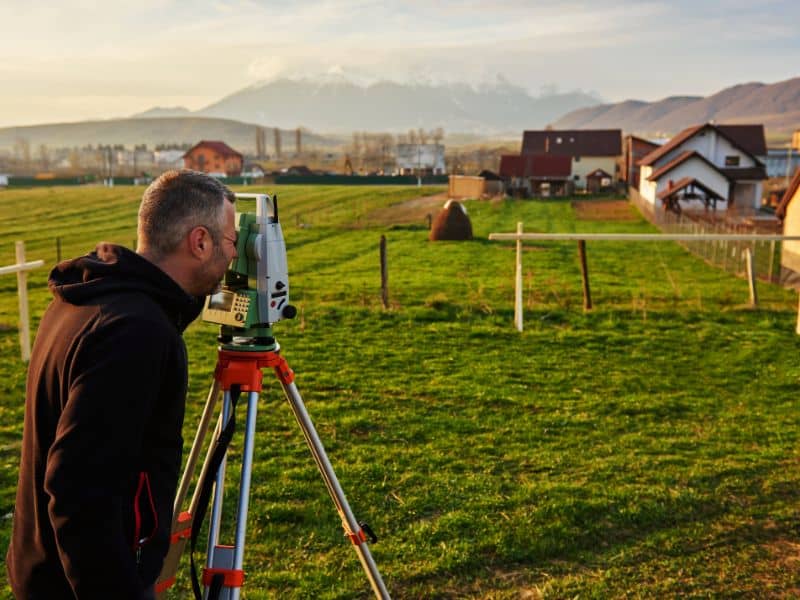
Many homeowners expect a boundary survey to come with one simple price. Then they contact a few survey companies and receive very different quotes.
That surprises a lot of people.
The truth is, boundary survey cost depends on the property itself. Some lots take only a few hours to survey. Others need days of field work, legal research, and record review. Because of that, prices can vary quite a bit from one property to another.
This matters even more in Tampa. Older neighborhoods, waterfront lots, fence disputes, and changing property lines can all affect how much work a surveyor must do. Tampa also continues to see strong residential growth, which increases demand for surveys before construction and permitting.
So before comparing prices alone, it helps to understand what actually affects the cost.
Why Boundary Survey Prices Are Different
Boundary survey cost changes from one property to another because surveyors must research records, locate property corners, inspect site conditions, and verify legal boundaries. Older neighborhoods, missing markers, easements, and fence disputes can all increase the amount of field work and research required.
A boundary survey does much more than measure land.
Surveyors study legal records, review old plats, locate property corners, and compare documents with real conditions on the site. They also look for problems that may affect ownership, construction, or future improvements.
Some properties have clean records and visible markers. Others have missing corners, outdated maps, or conflicting legal descriptions.
That extra work affects the final cost.
Now let’s look at the biggest factors that affect boundary survey pricing.
1. Property Size and Shape
Larger or irregularly shaped properties usually cost more to survey because they require more measurements, calculations, and field work. Complex lot layouts in older neighborhoods can increase the time needed to confirm accurate property boundaries.
Larger properties usually require more field work.
A surveyor must measure more land, locate more corners, and collect additional data. Naturally, that takes more time and equipment.
However, size is not the only issue.
Property shape matters too. A square lot is usually easier to survey than a narrow or irregular property with many turns and angles.
In some older neighborhoods, lot layouts do not follow modern subdivision patterns. As a result, surveyors may need additional calculations and field checks to confirm the true boundary lines.
That can increase survey costs.
2. Older Property Records
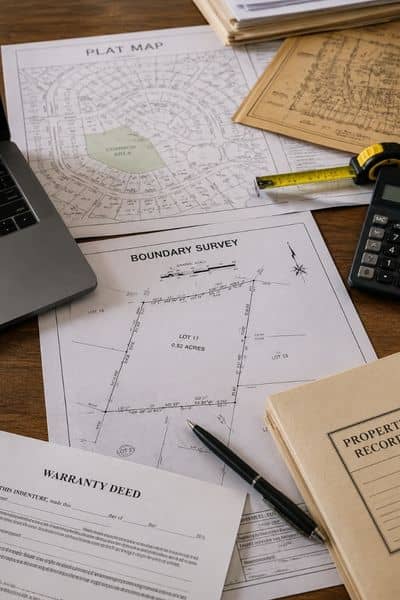
Older property records can increase boundary survey cost because surveyors must spend extra time reviewing plats, deeds, and historical maps. In some neighborhoods, outdated or conflicting records require deeper research before accurate measurements can begin.
Older records can slow the survey process.
Some properties date back many decades. Over time, records may become incomplete, unclear, or outdated. In some cases, older plats do not match modern measurements or current property conditions.
Because of that, surveyors may need extra research before field work begins.
Surveyors may review:
- old subdivision maps
- deed records
- previous surveys
- county records
- legal descriptions
This research helps confirm the true property boundary.
Without proper research, mistakes can happen later. While deeper research increases the survey cost, it also helps protect homeowners from expensive problems in the future.
3. Fence and Neighbor Problems
Fence disputes and neighbor encroachments often increase survey costs because surveyors must compare physical structures with legal property records. Incorrect fence placement, sheds, or driveways crossing lot lines can create additional field work and documentation requirements.
Fence issues are one of the most common reasons homeowners order a boundary survey.
Many people assume the existing fence marks the true property line. Unfortunately, that is not always correct.
Sometimes fences sit several feet inside or outside the legal boundary. In other cases, sheds, driveways, landscaping, or patios cross into a neighboring lot.
When that happens, the survey becomes more complex.
The surveyor must compare physical evidence on the site with legal records and measured data. That process takes additional time, especially when neighbors disagree about the boundary location.
In Tampa neighborhoods where homes sit close together, these situations happen often.
4. Easements and Access Issues
Easements and shared access routes affect boundary survey cost because surveyors must review recorded documents and confirm how the land can legally be used. Utility easements and shared driveways often require additional measurements and research.
Easements can also affect survey pricing.
An easement gives another party legal rights to use part of the property. Utility companies, drainage systems, and shared driveways often create easements.
Surveyors must carefully locate and review these recorded documents.
For example, a homeowner may plan to install a pool or fence without realizing a utility easement crosses the yard. Building over an easement can lead to expensive removal or reconstruction later.
Shared driveways and access paths may also require additional measurements and legal review.
That extra work affects the total cost.
5. Site Conditions and Visibility
Dense vegetation, standing water, and poor visibility can increase boundary survey cost because surveyors need more time to locate property corners and collect accurate measurements. Waterfront and overgrown properties often require additional field work.
Not every property is easy to access.
Heavy vegetation, standing water, trees, or overgrown brush can slow down field work. Surveyors need clear visibility to locate property corners and collect accurate measurements.
In some areas, thick landscaping or wet ground creates additional challenges.
Waterfront lots may also require extra care and additional measurements. Likewise, hidden property markers can take longer to locate when grass, dirt, or construction covers them.
Good site access helps survey work move faster. Poor conditions usually increase labor time and pricing.
6. Rush Scheduling
Rush boundary surveys may cost more because survey companies must adjust schedules and prioritize urgent projects. Home closings, permit deadlines, and construction schedules often require faster turnaround times that increase labor demands.
Timing matters too.
Sometimes homeowners need a boundary survey quickly because of:
- a home closing
- a permit deadline
- fence construction
- a contractor schedule
- a property dispute
Rush projects often force survey companies to rearrange schedules or move other projects.
Because of that, faster turnaround times may increase the cost.
This is especially common during busy construction seasons when many projects happen at the same time. Planning ahead can help homeowners avoid rush pricing and scheduling stress.
7. The Type of Deliverables Needed
Boundary survey pricing also depends on the final documents and services requested. Some homeowners only need property corners marked, while others require sealed drawings, digital files, or permit-ready survey documents for construction and legal use.
Not every homeowner needs the same final product.
Some people only need property corners marked in the field. Others need sealed survey drawings for permits, lenders, or legal use.
Additional deliverables may include:
- signed survey maps
- digital CAD files
- elevation information
- construction layout details
- permit-ready drawings
More detailed deliverables require additional office work and review.
So while two surveys may appear similar from the outside, the actual scope of work may be very different.
That changes the total cost.
Why the Cheapest Survey Is Not Always the Best Option
It may feel tempting to choose the lowest quote.
However, an inaccurate survey can create expensive problems later.
Incorrect boundary information may lead to:
- fence removal
- neighbor disputes
- permit delays
- construction changes
- legal problems
Mortgage lenders, title companies, and permitting offices may also require accurate survey information before approving certain projects.
A professional boundary survey helps homeowners avoid those risks before construction begins.
That is why experience, accuracy, and proper research matter just as much as price.
When Homeowners Usually Need a Boundary Survey
Many property owners wait until a problem appears before ordering a survey.
However, getting one early can save time, money, and stress later.
Homeowners often need a boundary survey before:
- building a fence
- adding a pool
- starting an addition
- buying vacant land
- settling a neighbor dispute
- dividing property
- applying for permits
In each case, clear property lines help prevent costly surprises.