
How ALTA Survey Is Changing Real Estate in 2026

Deals do not move like they used to. A property can sit under contract, all terms agreed, and then pause right before closing. The reason often traces back to one document. The ALTA survey.
In 2026, new ALTA survey standards started to shape how people review risk in real estate deals. The change does not feel loud at first. But it shows up late in the process. That is where most delays begin.
A survey that once worked as a closing requirement now plays a bigger role in decision-making. Buyers, lenders, and title teams now use it earlier and with more care. Because of this, due diligence in Tampa real estate looks different today.
A quieter shift that is changing how deals move
The 2026 standards did not remove the purpose of an ALTA survey. Instead, they raised the level of detail expected during review.
Survey teams now face more questions around site access, easement clarity, and record accuracy. These points do not sound dramatic on their own. Still, they can slow a deal when something does not match between documents and real site conditions.
So instead of a quick check before closing, the survey now becomes part of the risk review process. That shift changes timing across the whole transaction.
Why Tampa feels the impact more than other places
Tampa moves fast in real estate. New projects come in quickly. Old parcels get reused for new builds. Commercial zones shift from one use to another in short periods.
Because of this, records do not always match what is on the ground today. That gap creates friction when a detailed ALTA survey is reviewed.
At the same time, lenders in Tampa deal with higher pressure to reduce risk. They want clearer answers before approving funding. So when a survey raises even small questions, review steps increase.
This combination makes Tampa more sensitive to the new standards than slower markets.
Due diligence is no longer a final step
Before 2026, many teams treated due diligence as a checklist near the end of a deal. The ALTA survey came in, got reviewed, and the file moved forward.
Now the process feels more layered.
The survey gets reviewed earlier. Title teams look at it alongside legal documents. Lenders ask more follow-up questions before they commit.
This means due diligence is no longer a single stage. It spreads across the entire deal timeline.
Because of that change, small issues now show up earlier. That can help buyers avoid risk, but it can also slow down closing dates.
Where delays usually start in Tampa deals
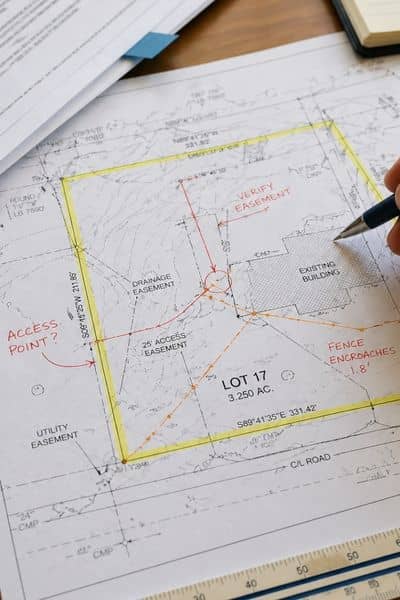
Most delays do not come from major problems. They come from small mismatches that require extra review.
One common issue is access. A property may show legal access on paper, but field conditions or updated records may raise questions. When that happens, teams pause to confirm details.
Another issue comes from easements. Utility or drainage rights sometimes overlap or appear unclear in older records. When new standards require clearer reporting, those gaps need review before a deal continues.
A third issue comes from improvements on the land. Buildings, fences, or driveways may not match older survey assumptions. Even small differences can trigger additional checks.
None of these issues always stop a deal. But they often slow it down.
Why lenders and title teams are changing their review process
Lenders do not want uncertainty near closing. With updated ALTA standards, they now treat survey results as part of financial risk review.
Title companies also adjust their process. They compare survey data more closely with legal records before clearing a file.
Because both sides now look deeper, communication between teams increases. Questions go back and forth more often. This adds time, even when there is no major issue.
The result is simple. More review steps happen before money moves.
What this means for developers and buyers in Tampa
For people active in Tampa real estate, timing has become more important than ever.
A deal that once needed a survey near the end now needs it earlier. Waiting too long can push closing dates back. That delay can affect financing, construction planning, and contract terms.
Many developers now order ALTA surveys sooner in the process. They also review survey results alongside legal and design planning, not after everything is finished.
This approach helps reduce surprises later. It also keeps deals moving with fewer last-minute changes.
Still, even with early planning, the 2026 standards mean one thing clearly. More detail is required before approval.
How smart teams are adjusting in 2026
Experienced teams in Tampa are changing how they handle due diligence.
They do not wait for the final review stage to find issues. Instead, they treat the ALTA survey as part of early risk screening.
They also keep communication open between surveyors, title teams, and lenders from the start. This helps reduce back-and-forth later.
Most importantly, they build extra time into their deal schedules. They expect that questions may come up, even on simple properties.
This shift does not slow down real estate activity. It changes how people prepare for it.
The new reality of due diligence in Tampa
The 2026 ALTA survey standards did not change what a deal needs to close. They changed how carefully people look at the details before closing.
In Tampa, where real estate moves quickly, that careful review shows up as longer decision cycles and more questions during the process.
But it also creates clearer deals. Fewer surprises reach the final stage when issues get caught earlier.
So the goal is no longer just to finish due diligence. The goal is to finish it with fewer unknowns.
That is what defines modern ALTA survey review in Tampa real estate today.