
Verifying Utility Pole Easements With Professional Land Surveying
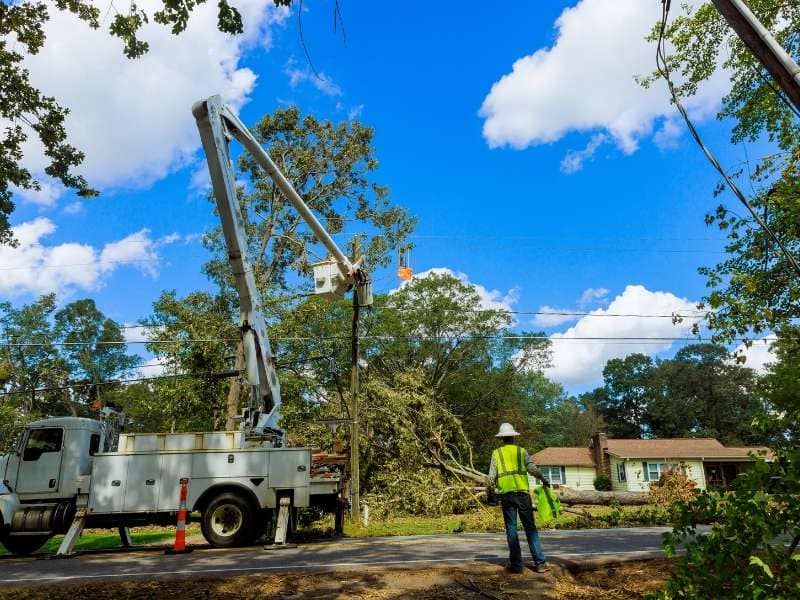
A utility pole at the edge of a lot seems harmless until you plan to build near it. The pole, its guy wires, and the lines overhead often come with legal rights that limit what you can do on that part of your land. Many owners don’t find out until a permit stalls or the utility company objects.
A land surveying can help answer these questions early. A surveyor can show where the poles and overhead lines are located, where the recorded easement falls, and whether the two line up. This gives owners, buyers, and developers a clearer picture of what they can work around before moving forward.
What Is a Utility Pole Easement?
A utility pole easement is a legal right that lets a utility company place and maintain poles, wires, and related equipment on private land. You still own the land, but the utility can use that area for its purpose. The easement often includes the right to enter for repairs and to trim trees that threaten the lines.
Most of these recorded easements are written down and filed in the public records. Some describe an exact strip, such as a set width along a lot line. Others are blanket easements, which give rights across a whole parcel without a defined location.
In some cases, utility rights may exist without a clear recorded document, depending on state law and how long the line has been in place. That’s a legal question for an attorney or title company. A surveyor can supply the physical facts that help them answer it.
How Surveyors Verify Utility Pole Easement Locations
Surveyors verify an easement by comparing what’s recorded with what’s on the ground. First, they locate the property boundary, since most easements are described in relation to lot lines. Then they plot the easement from its written description and locate the poles and equipment in the field.
Field work usually covers pole locations, guy wires and ground anchors, overhead lines, and any transformers or boxes at ground level. A guy wire is the angled cable that braces a pole, and its anchor can sit well away from the pole itself. Owners often forget about anchors until one blocks a planned driveway or building pad.
The final drawing shows how the physical items line up with the recorded easement. Sometimes they match. Sometimes the poles sit outside the easement strip, or lines cross land where no easement is recorded, and those gaps are exactly what owners need to know about.
Reviewing Deeds, Plats, and Recorded Easement Documents
Record research tells the surveyor what rights exist before the crew goes out. The main sources are the deed, the recorded plat, and any separate easement documents filed with the county. A title commitment, if you have one, can point to easements that affect the property.
Plats often show utility easements along the front, side, or rear lot lines. Separate easement documents may cover a single pole line or a wider corridor. The surveyor reads each description, plots it on the drawing, and notes any that can’t be located from the wording.
Share every document you have with the surveyor. Old surveys, title policies, and letters from the utility company can all help. Missing records can leave gaps in the drawing, and those gaps tend to cause trouble later.
Utility Pole Easements and Development Site Planning
Easements shape where buildings, driveways, and other features can go. Many easements limit permanent structures inside the strip. Overhead lines can also affect building height, crane work, and even where you can plant trees. Items that often need to work around a pole easement include:
- Driveway and entrance locations
- Building pads and required setbacks
- Signs and site lighting
- Tree planting and landscape areas
- Crane and equipment paths during construction
The utility company usually sets clearance rules for work and structures near its lines. Those rules can vary by utility, line voltage, and type of work. Ask the utility early if your plans come anywhere close to a pole line.
Developers should also plan for relocation costs and timing. Moving a pole line is sometimes possible, but the utility usually handles the work, it can take months, and the owner may have to pay for it. The survey gives everyone a shared map for discussing those options.
Reducing Property and Construction Risks Through Surveying
A clear survey reduces surprises during a sale, a permit review, and construction. Buyers can see what limits come with the land before closing. Lenders and title companies can decide how to handle easement exceptions with accurate information in hand.
During construction, knowing where poles, anchors, and lines sit helps crews work safely. Always call 811 before digging, since a pole line may connect to buried cables. Overhead lines need their own safety planning, which the utility and contractor should work out together.
Order the survey early if a closing, permit, or construction start depends on it. Easement questions can take time to sort out with the utility, title company, or attorney. Starting early keeps those questions from delaying the project.
Utility pole easements are easy to overlook and hard to change once you’ve built around them. Land surveying shows where the poles, wires, and recorded rights really are, so you can plan with clear facts. If you’re buying, building, or developing near a pole line, a local licensed surveyor can review your records and map what’s there.
Frequently Asked Questions
Can I build a structure inside a utility pole easement?
Usually not, since many easements limit permanent structures inside the strip. Fences, sheds, and paving may also be restricted, depending on the easement wording and the utility’s rules. Something built inside the easement may have to be removed if the utility needs access. Review the recorded easement and check with the utility before you build.
What happens if a utility pole sits outside the recorded easement?
A survey may show that a pole, anchor, or line sits outside the recorded strip or on land with no recorded easement at all. Whether the utility still has rights there is a legal question that can depend on state law and how long the line has been in place. The surveyor documents the physical facts, but doesn’t decide the legal outcome. An attorney or title company can explain what the findings mean for your property.
Can a utility pole or guy wire be moved?
Sometimes, but the utility company usually controls whether and how it happens. Relocation can take months, and the property owner may be asked to pay for the work. A survey helps everyone discuss options using the same map. Contact the utility early if a pole or anchor sits where you plan to build.
Will a regular boundary survey show utility pole easements?
A boundary survey may show some easements, but not always in full detail. Plotting recorded easements and locating poles, guy wires, and anchors may need to be added to the scope. The surveyor also needs the recorded documents to plot easements accurately. Ask what’s included before you order.
Do I still need to call 811 if the survey shows the poles?
Yes, because a survey shows what’s visible above ground and what’s in the records. Many pole lines connect to buried cables, grounding systems, or other underground utilities. Calling 811 before digging helps get many of those lines marked. Private lines may need a separate locating service.