
How Scope Choices Shape Land Survey Cost for Small Urban Lots
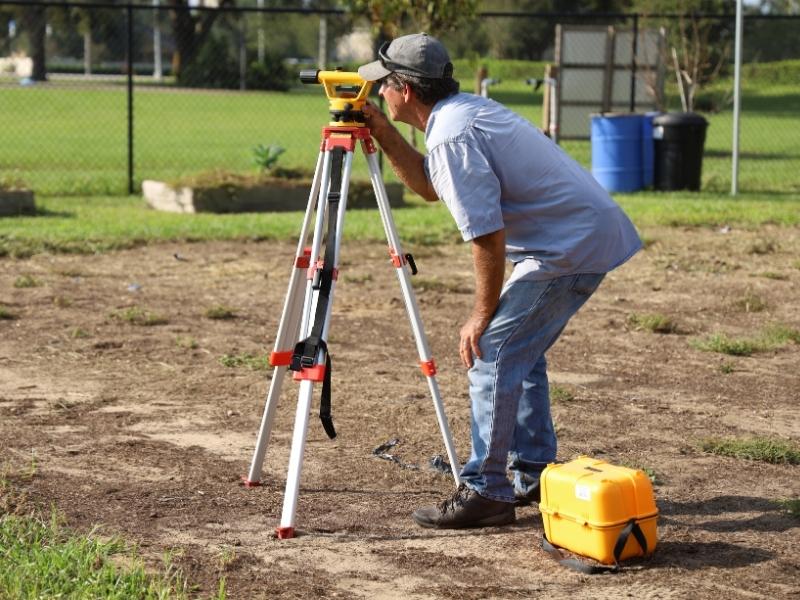
Small lot, small survey bill. That’s what most owners expect, and it often doesn’t hold up. On tight urban parcels, land survey costs track what you ask the surveyor to do more closely than how many square feet you own.
That’s good news, because scope is something you control. Start with your project goal, order the survey type that fits it, and add extra services only when a lender, permit office, or designer actually needs them. Ordering too little can mean paying for a second trip, and ordering too much spends money on data no one uses.
Choosing the Right Survey Scope for a Small Urban Lot
Survey scope is the list of tasks and deliverables the surveyor agrees to provide. It covers the type of survey, what gets located, whether corners are set, and what the final drawing shows. Two quotes for the same lot can differ simply because they describe different scopes.
Start with the reason you need a survey. A fence permit, a home purchase, a garage addition, and a small multifamily build each call for different information. Tell the surveyor your goal and any deadline, and ask them to recommend a scope before quoting.
Then compare quotes line by line. Check the survey type, the items included, the file formats, and whether revisions are covered. A lower price sometimes reflects a smaller scope rather than a better deal.
How Boundary Conditions Affect Land Survey Cost
Most urban projects start with the boundary, and the boundary’s condition shapes how much work it takes. Small lots in older neighborhoods can carry long record histories, close neighbors, and markers that have been disturbed over the years. Those conditions affect research and field time no matter how small the parcel is.
Your scope choices interact with those conditions. Some options add effort on a difficult boundary, and others keep it in check. Decisions to make include:
- Whether corners should be set or only found and shown
- Whether encroachments along every line should be located and labeled
- How far research should reach into neighboring parcels and old plats
- Whether you need a written report explaining any conflicts
Setting a corner means placing a new physical marker, such as an iron rod, where the surveyor determines the corner to be. It’s useful before fence or construction work but may not be needed for some purchases. Ask whether your purpose requires new markers or whether locating existing evidence is enough.
Comparing Survey Types for Urban Property Projects
Survey type drives most of the scope. Each type answers a different question, and ordering the wrong one is the easiest way to pay twice. Common types for urban lots include:
- A boundary survey, which locates property lines and corners
- A lot or closing survey, which shows the boundary along with buildings, fences, and other improvements for a sale or loan
- A topographic survey, which adds elevations and site features for design work
- An ALTA/NSPS land title survey, which follows national standards and is common for commercial deals
- An as-built survey, which records completed construction for permit closeout
Names and contents can vary by region and by company, so read the scope description instead of relying on the label. A residential lender may only want a closing survey, while a commercial lender may require an ALTA survey with specific added items. Requirements vary by lender, title company, and property type, so confirm them before you order.
When Topographic and Additional Services Add Costs
Add-ons are where small-lot surveys grow. Each one adds field time, office time, or both. They’re often worth it, but only when someone on the project actually needs the data.
The most common additions fall into a few groups. Ask who needs each one before you agree to it. Typical add-ons include:
- Topographic data such as spot elevations and contours
- Finished floor elevations of existing buildings
- Tree locations with trunk sizes
- Utility structures, or buried lines marked by a locate service
- Elevation certificates for flood insurance or permits
- Setback lines and zoning information shown on the drawing
- CAD files for designers
Bundling can save money. If a design team will need topography in a few months, collecting it during the boundary visit usually costs less than sending a crew back. Ask the surveyor to price add-ons separately so you can see what each one adds.
Rush service is another cost lever. Tight closing or permit dates may require the surveyor to rearrange their schedule. Ordering early is the simplest way to avoid paying extra for speed.
Planning Survey Scope Around Your Project Needs
The best scope covers the next few steps of your project along with today’s task. Think through who will use the survey over the coming months. A buyer who plans to renovate, a builder preparing a permit, and an investor arranging a loan may all draw on the same drawing.
Gather what you have before requesting quotes. A deed, prior survey, title commitment, and any lender or permit instructions help the surveyor price the job accurately. Sharing them early also reduces surprises once fieldwork starts.
Keep the scope in writing. A clear proposal lists what’s included, what’s extra, and what would change the price. Confirm survey needs early if a closing, permit, or construction start depends on the result.
Frequently Asked Questions
Why does a small lot survey sometimes cost as much as a larger one?
Much of a survey’s cost comes from research, travel, field setup, and drafting, which don’t shrink with lot size. Older urban lots can also have complicated records and tight neighboring improvements. Those conditions add effort even on a small parcel. Scope choices often matter more than square footage.
Can I save money by ordering only a boundary survey?
Sometimes, if a boundary survey covers what your project needs. If a designer later needs elevations or a lender needs an ALTA survey, you may pay for a second visit. Think about your next steps before choosing the cheapest option. A surveyor can tell you which items you’re likely to need later.
Do I need corners set on my lot?
It depends on your purpose. Setting corners is helpful before fences, additions, or new construction near the line. For some purchases or loans, locating existing markers and showing them on a drawing may be enough. Ask your surveyor what your project and any permit requirements call for.
Can I reuse an old survey to cut costs?
Possibly, depending on its age, what it shows, and who will rely on it. Lenders, title companies, and permit offices each set their own standards. A surveyor may be able to update an existing survey instead of starting from scratch. Ask about that option before ordering a brand-new survey.
How can I get an accurate quote?
Share your project goal, deadline, and any documents you already have. Ask for a written proposal that lists the survey type, included items, and add-on prices. Compare quotes based on scope as well as the total price. Clear information up front usually leads to fewer price changes later.