
Commercial Property Surveyor Checks for a Four-Parcel Purchase
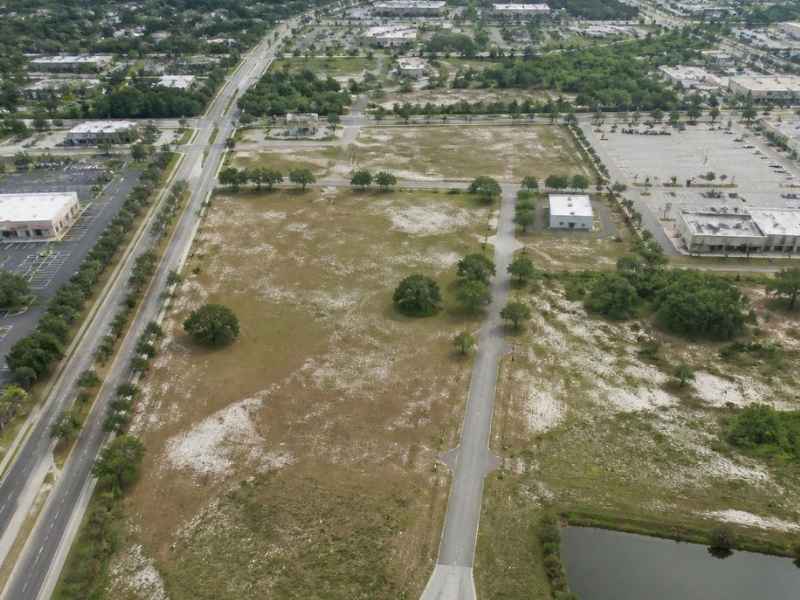
Buying four parcels at once can look simple on paper. One purchase, one closing, one new site for your project. The ground rarely matches the paperwork, though. Four parcels mean four sets of boundaries, four chains of records, and four chances for a costly surprise. A commercial property surveyor sorts through all of it before your money is committed, so you buy what you think you’re buying.
A Commercial Property Surveyor’s Review of the Four Parcels
A commercial property surveyor starts by treating each parcel as its own puzzle. Every parcel has a separate legal description, a deed, and a history that may not line up with the parcel next door. The surveyor reads all four descriptions and checks whether they fit together without gaps or overlaps.
Then the review shifts to the whole site. Four parcels bought as one project need to work as one property once you close. The surveyor looks at how the pieces join, where corners meet, and whether any strip of land was left out of the sale. Small gaps between parcels are common in older Tampa records, and they can block a fence, a wall, or a driveway later.
This two-part view matters because a deal can pass a quick title check and still hide a problem in the field. A description might call for a monument that no longer exists. A parcel might be smaller than the listing claims. Catching these issues early keeps them from becoming disputes after the purchase.
Property Lines Within a Multi-Parcel Site
Property lines fall into two groups on a multi-parcel site. The outside lines wrap the full property and set what you own against the neighbors. The inside lines divide one parcel from another within the group you’re buying.
The exterior boundaries decide where you can build, pave, and improve. If a neighbor’s structure sits over an outside line, that encroachment becomes your problem the day you take title. A commercial property surveyor measures the real corners and compares them to the recorded lines, so any conflict shows up before closing, not after.
The shared interior lines still matter even though you plan to own all four parcels. Lenders, title companies, and the county may still treat them as separate lots. If you want to build across an old line, you may need to combine the parcels first. The survey gives you the picture you need to decide whether to merge them or leave them as is.
Easements That Extend Across More Than One Parcel
An easement is a right for someone else to use part of your land for a set purpose. On a four-parcel site, a single easement can cross two or three parcels at once. That’s where buyers get caught off guard.
A commercial property surveyor maps the recorded easements and shows exactly where each one runs. Common types include:
- Utility easements for power, water, sewer, or gas lines
- Access easements that let a neighbor or the public cross your land
- Drainage easements that carry stormwater through the site
Drainage easements deserve extra attention especially in places where flat ground and heavy rain make water management a real concern. An easement that runs across three parcels can block the spot where you wanted a building pad. The survey helps you plan around it or renegotiate the price before you sign.
Road Frontage, Access Points, and Parcel Connections
Road frontage is the part of a parcel that touches a public road. Access is your legal and physical way in and out. A parcel can look great and still be nearly landlocked if only one of the four touches a public street.
The surveyor checks how each parcel connects to the road system and to the parcels beside it. Some parcels reach the road directly. Others rely on an access easement across a sibling parcel or a neighbor’s land. For a commercial site, that difference shapes where you place driveways, loading areas, and parking.
Access also drives permitting and site design. Tampa and Hillsborough County review curb cuts, driveway spacing, and turning movements before they approve a plan. Knowing your true frontage and access points early lets your engineer design a layout the county will accept. It also tells you if you need to secure extra access before the deal can work.
Survey Findings for Commercial Due Diligence
Due diligence is the homework you do before closing to confirm the property is worth the price and fits the plan. The survey is one of the strongest tools in that process. It puts boundaries, easements, and access on a single drawing everyone on your team can read.
Buyers use the findings to confirm the site supports the intended use. Lenders often require a survey, and many ask for an ALTA survey on commercial deals because it follows a national standard. Attorneys use it to clear title questions, and your development team uses it to test whether the project fits the land.
Survey needs can vary by property type, lender, title company, county, and project scope. Confirm what’s required early, since a four-parcel commercial closing has more moving parts than a single lot. Ordering the survey at the front of due diligence gives your team time to react if something turns up.
Frequently Asked Questions
Do I need one survey or four for a four-parcel purchase?
Usually one survey covers the full site and shows all four parcels together. The surveyor still examines each parcel on its own before mapping the whole. That combined drawing is what lenders and attorneys want to see. The exact scope can vary by lender and title company, so confirm it early.
What is an ALTA survey and do I need one?
An ALTA survey is a detailed survey built to a national standard used for commercial deals. It shows boundaries, easements, improvements, and access in one report lenders and title insurers trust. Many commercial lenders require it before funding. Ask your lender and title company what they need before you order.
Can a survey stop my deal from closing?
A survey doesn’t stop a deal on its own, but it can reveal issues that need fixing first. Encroachments, missing access, or gaps between parcels are examples. Finding them early gives you time to negotiate, adjust, or plan around them. That’s far cheaper than solving them after you own the land.