
Buying a Commercial Condominium With a ALTA Survey Review
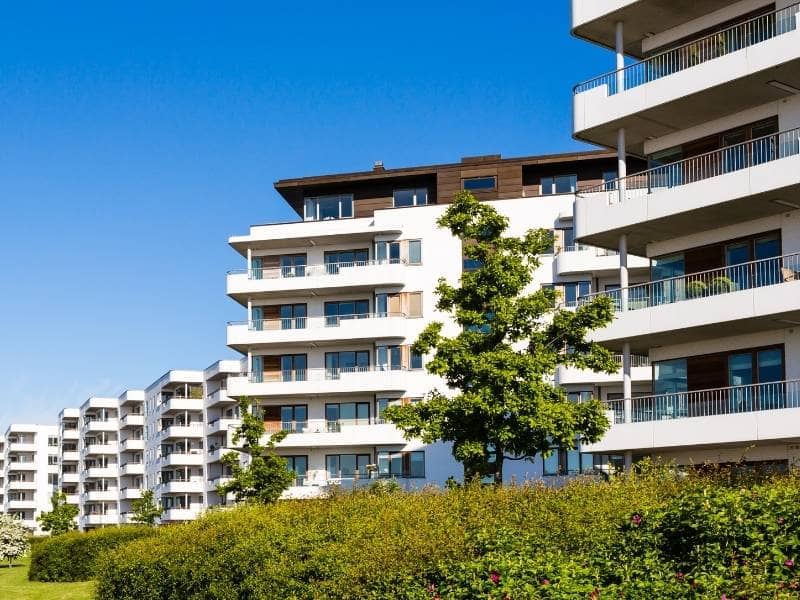
Buying a commercial condominium means buying part of a building and a share of everything around it. You own your unit, but the parking lot, driveways, roof, and land underneath are usually shared with other owners. If any of those shared pieces have problems, they become your problems too.
An ALTA survey is a detailed property survey prepared to standards set by the American Land Title Association and the National Society of Professional Surveyors. For a commercial condo purchase, a current ALTA survey shows what’s on the ground and how it lines up with the title and condominium documents. Review it carefully before closing, and you’ll catch boundary, access, and encroachment issues while you still have room to negotiate.
Understanding What an ALTA Survey Covers for Commercial Condominiums
An ALTA survey usually covers the overall parcel the condominium sits on. It shows the boundary, buildings, parking, access points, utilities, easements, and encroachments, along with recorded documents listed in the title commitment. The standards also allow optional items, called Table A items, that the buyer or lender can request.
Common optional items include building dimensions and area, parking counts, zoning information, and utility locations. The right mix depends on the deal. Lenders and title companies often have their own requirements, so confirm the scope with both before ordering.
Condo units add another layer. Individual units are typically defined by the condominium declaration and its recorded plans, often by walls, floors, and ceilings instead of land lines. The ALTA survey may show how the building sits on the parcel without re-surveying every unit boundary, so ask the surveyor exactly what the survey will show for your unit.
Reviewing Unit Boundaries and Shared Property Improvements
Start by confirming your unit is where the documents say it is. Compare the unit number, its location in the building, and any listed square footage against the condo plans and the survey. Mismatches happen more often than buyers expect, especially in older buildings or ones that have been reconfigured.
Next, look at shared improvements. Common elements are the parts of the property all owners share, like the land, structure, parking areas, and driveways. Limited common elements are shared items assigned to certain units, such as a reserved parking space, a loading dock, or a storage area.
Check whether the features you’re counting on actually exist and are assigned to your unit. A missing parking space or loading door can affect daily operations. Items worth confirming include:
- Reserved parking spaces and the total parking count
- Loading docks or service doors tied to your unit
- Signage locations on the building or a shared pylon sign
- Dumpster pads, mechanical equipment, and storage areas
- Exterior improvements your business will use every day
Checking Easements, Access Rights, and Recorded Restrictions
Easements give others the right to use part of the property. The ALTA survey plots easements listed in the title commitment when they can be located from the recorded documents. Look for utility easements under parking areas, drainage easements, and access easements that let neighbors drive through the site.
Access deserves careful attention. The survey should show how the property connects to a public road, either directly or through a recorded easement. If customers or trucks reach your unit through a neighboring parcel, confirm that the access is recorded and not just a long-standing habit.
Recorded restrictions can shape how you use the space. Covenants, declarations, and reciprocal easement agreements may limit uses, signage, hours, or parking. The surveyor can locate restrictions that have a physical location, while an attorney reviews what they mean for your business.
Comparing Survey Findings With Condominium and Title Documents
A survey is most useful when it’s read alongside the other documents. Gather the title commitment, condominium declaration, recorded condo plans, association rules, and any amendments. Then compare them item by item with what the survey shows.
Watch for gaps between paper and ground. A parking space assigned to you in the declaration might be striped differently in the field. A building addition might not appear in the recorded condo plans, or an easement listed in the title commitment might run right under a structure.
Your title company relies on the survey as well. An acceptable ALTA survey can help the title insurer remove or modify certain standard exceptions to coverage. Ask your title agent what the survey needs to show for the coverage you want.
Addressing Survey Discrepancies Before Closing the Transaction
Discrepancies aren’t always deal-breakers, but they need attention before closing. Common findings include encroachments, unrecorded access, parking shortfalls, and units that don’t match the condo plans. Each one should be reviewed by the right professional.
Start by asking the surveyor to explain the finding in plain terms. Then bring in your attorney, title agent, and lender to decide on next steps. Options may include a price adjustment, seller repairs, amended condo documents, new easement agreements, or added title coverage, depending on the issue.
Timing matters here. ALTA surveys can take several weeks, and fixing problems takes longer. Order the survey early in due diligence so you have time to review results, ask questions, and negotiate before contract deadlines pass.
Frequently Asked Questions
Do I need an ALTA survey to buy a commercial condo?
It depends on your lender, title company, and the deal itself. Many commercial lenders require an ALTA survey, and buyers often order one for their own protection. Some condo purchases rely on an existing survey or the recorded condo plans instead. Ask your lender and title agent early what they require.
Can I use the seller’s existing ALTA survey?
Sometimes, if it’s recent and certified to the right parties. Lenders and title companies usually want the survey certified to them and dated within a certain window. Changes to the property since the survey was done may call for an update. Your surveyor can often update an existing survey for less than a new one.
Does an ALTA survey show my condo unit’s boundaries?
Not always in full detail. Unit boundaries are usually defined by the condominium declaration and recorded plans. The ALTA survey typically focuses on the overall parcel and the building’s location on it. Ask the surveyor how your unit will be shown before you order.
What are Table A items?
Table A items are optional additions to an ALTA survey. They can include building area, parking counts, zoning information, utilities, and more. The buyer or lender chooses which ones to include. Each item adds detail, and sometimes time and cost.
What happens if the survey finds an encroachment?
An encroachment is a structure or improvement that crosses a property line or easement. Your attorney and title company will review how it affects ownership and title coverage. Solutions might include agreements, repairs, or title endorsements. Address it before closing so it doesn’t become your problem later.